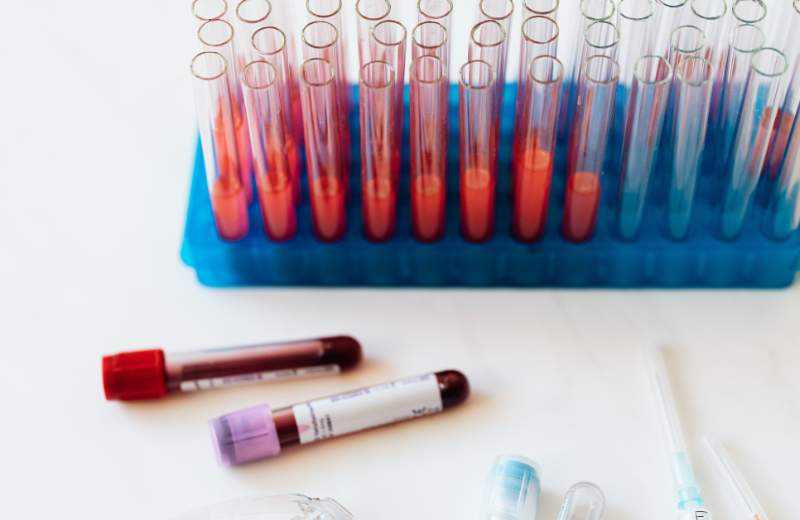
Reproductive immunology is a field of medicine that studies the interaction between the immune system and the reproductive system. Here are some tests, treatments, and research in reproductive immunology:
Tests
These include:
Reproductive immunophenotype (RIP): Measures NK cells to see if they are abnormally elevated and causing an immune response to the embryo
Antinuclear antibodies (ANA) tests: Checks for high levels of antibodies that can complicate pregnancy
Antiphospholipid antibodies (APA) tests: Looks for proteins that can increase the risk of blood clots or pregnancy loss
Thrombophilia tests: Determines the likelihood of blood clots in the placenta and womb
DQ alpha testing: Measures whether a couple’s DNA is too closely matched
Blood tests: Measures antibodies in the blood associated with infertility and miscarriage
Treatments may include,
Vitamin D supplements for vitamin D deficiency
Blood thinners for patients at increased risk of thrombophilia
Immunotherapy for preventing rejection of embryos.
Who Should Opt for Reproductive Immunology Testing:
Women with recurrent miscarriages or failed IVF attempts.
Individuals with autoimmune disorders affecting fertility.
Couples with unexplained infertility despite normal test results.
Women with a history of preterm birth or pregnancy complications.
Those with known or suspected immune system-related fertility issues.
Benefits of Reproductive Immunology Testing:
Identifies immune system factors affecting implantation or pregnancy.
Helps tailor personalized treatment plans to improve IVF outcomes.
Detects autoimmune diseases or immune responses to sperm/embryos.
May reduce the risk of miscarriage through targeted therapies.
Provides insights into unexplained infertility, offering hope for success.